The Simple Habit That Saves Money and Improves Air Quality in Central Texas
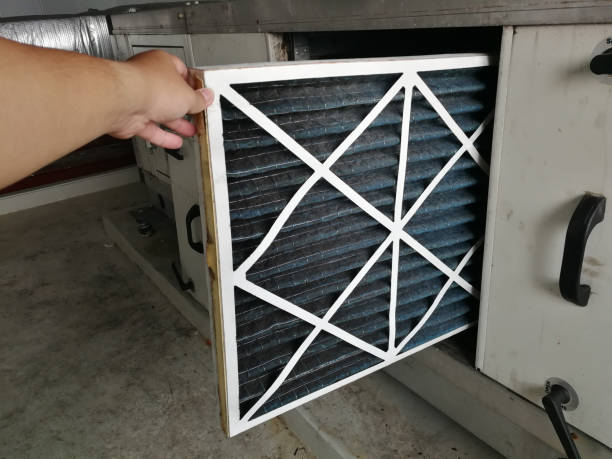
The Importance of Regularly Replacing Your HVAC Filters in Central Texas
Living in Central Texas means dealing with intense summers, unpredictable weather swings, and some of the worst allergens in the country. With your HVAC system working nearly year-round, one of the most important (and often overlooked) maintenance tasks is regularly replacing your air filters.
Below, we break down why this small habit has such a big impact on comfort, efficiency, and system health.
1. Texas Heat Makes Your HVAC Run Constantly
Central Texas summers frequently hit triple digits—and stay there. This means your air conditioner runs harder and longer than units in milder climates.
A dirty filter restricts airflow, forcing your HVAC system to work even harder, which can lead to:
- Higher energy use
- Increased strain on components
- Reduced cooling efficiency
A clean filter helps your system operate the way it was designed to.
2. Allergens Are a Year-Round Problem
::contentReference[oaicite:1]{index=1}
Cedar fever, oak pollen, mold spores, ragweed—Central Texas residents know the allergy struggle well. These particles fill the air indoors and out, especially when homes remain sealed during peak heat.
A fresh HVAC filter helps:
- Reduce allergens circulating in your home
- Improve indoor air quality
- Reduce dust buildup on surfaces
Once a filter becomes too full, it can no longer capture these microscopic irritants effectively.
3. Dirty Filters Increase Your Energy Bill
A clogged filter makes your HVAC system work significantly harder to push air through. According to the Department of Energy, replacing a dirty filter with a clean one can lower your AC’s energy consumption by 5–15%.
With Central Texas AC systems running most of the year, that can mean major savings.
4. It Extends the Life of Your HVAC System
Your HVAC system is one of the largest investments in your home. A simple filter change can prevent thousands of dollars in future repairs by reducing strain on:
- Blower motors
- Evaporator and condenser coils
- Compressors
Think of filter replacement as low-cost insurance for your system.
5. How Often Should Central Texans Replace HVAC Filters?
While many areas of the country can get by with filter changes every 90 days, Central Texas conditions demand a more frequent schedule.
Recommended replacement frequency:
- Every 30–60 days in summer
- Every 60–90 days in cooler months
You may need to replace filters even more often if you have:
- Pets
- Allergies
- A high-efficiency filter (MERV 11–13)
- Ongoing home construction nearby
- A large household
6. Signs It’s Time to Replace Your Filter
- Visible dust buildup on the filter
- Weak airflow from vents
- Rising utility bills
- More dust around the home
- HVAC runs constantly or struggles to keep up
If you’re unsure, check it—your filter is one of the easiest components to inspect.
Final Thoughts
Replacing your HVAC filter regularly is one of the simplest and most impactful ways to keep your home comfortable and energy-efficient in Central Texas. With our combination of extreme heat, heavy allergens, and frequent HVAC use, filters clog faster than many homeowners realize.
A quick filter change can improve indoor air quality, reduce energy costs, and protect your system from unnecessary wear.